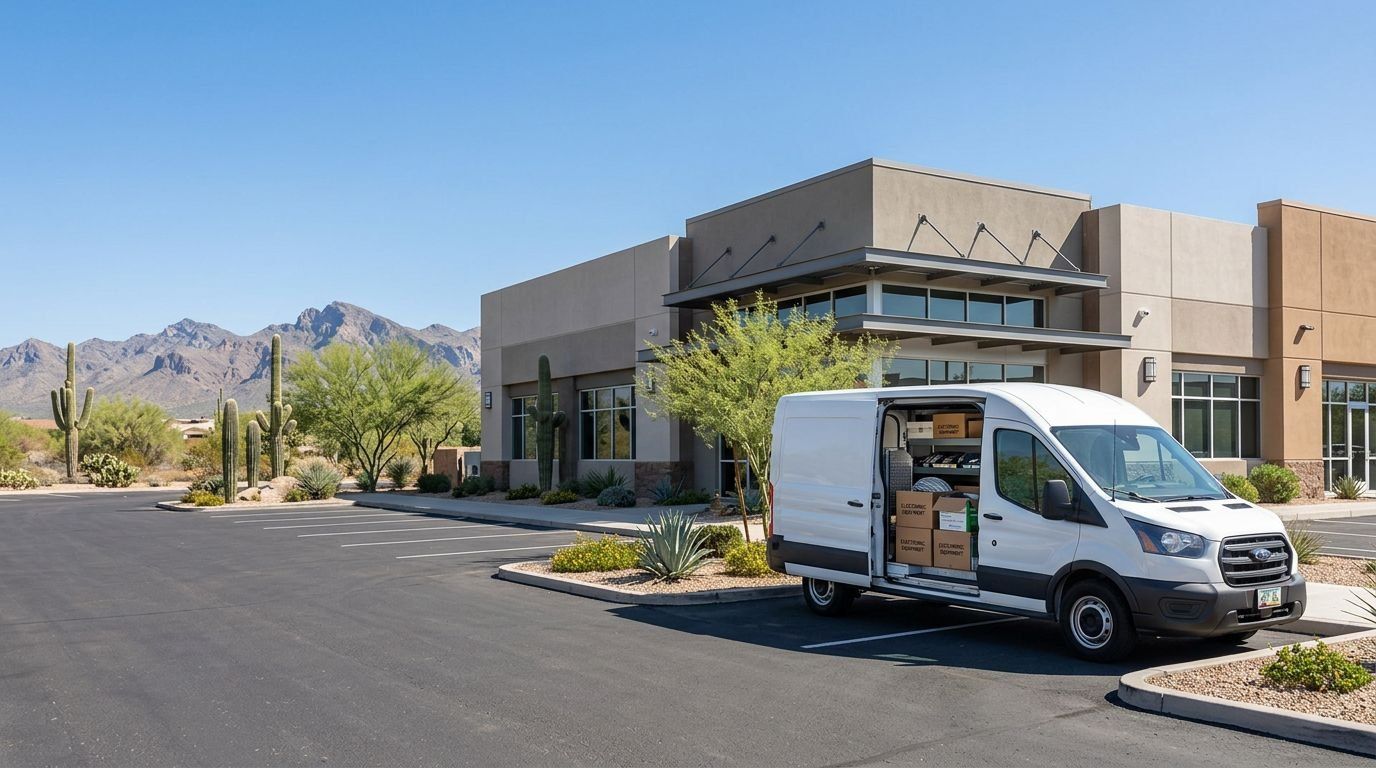
Tempe, Arizona
Electronics & Computer Recycling in Tempe
We help Tempe businesses plan electronics and computer recycling around office moves, space consolidations and lease-end deadlines. A scheduled equipment collection can clear retired technology before keys are handed over, while keeping data treatment and disposition records connected to the same retirement project. Request pickup before your move so equipment volume, site access and timing can be discussed while there is still room to plan.
- Business pickup
- Residential drop-off information
- Data destruction and ITAD
- Phoenix metro service
Business pickup
Scheduled collection for offices, storage areas, and recurring equipment retirement.
IT asset disposition
Inventory review, data handling, reuse assessment, and final records.
Secure data destruction
Sanitization or physical destruction matched to each type of media.
Residential drop-off
Free drop-off for eligible personal electronics, with no appointment needed.
Clear retired equipment before the handover
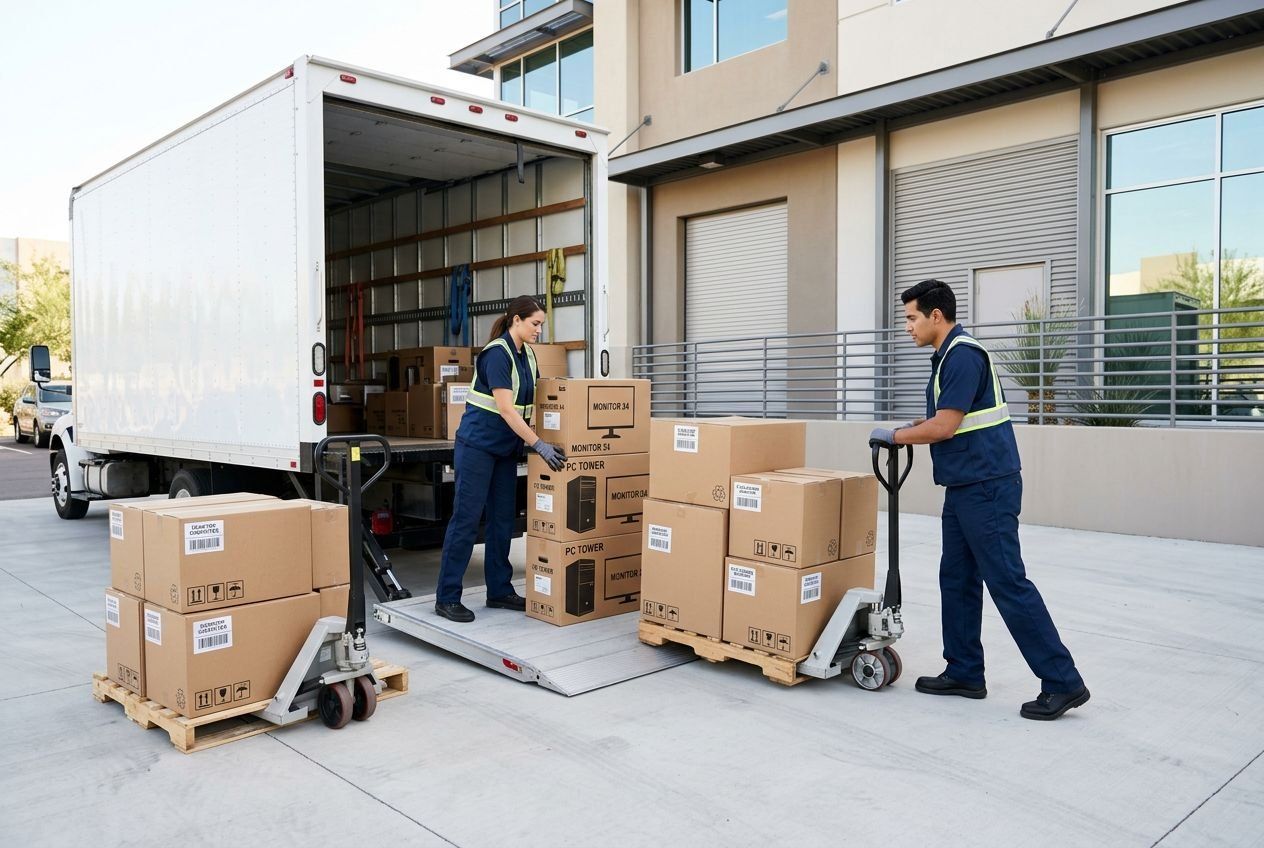
Office technology may need to leave on a different schedule from furniture and general contents. We arrange commercial collection for eligible electronics, with the scope based on equipment volume and the access arrangements at your Tempe site. Confirming the load and timing early helps keep retired devices from becoming a last-minute move-out problem.
Accepted equipment includes desktops, laptops, tablets, servers, phones, computer peripherals and flat-screen computer monitors. Printers, scanners, fax machines and stand-alone copiers may involve fees that vary by size, so include them when describing the load. General office waste, household appliances, chemicals and hazardous or contaminated equipment are not part of a normal electronics collection.
Separate equipment approved for removal from devices still in use. That distinction matters when departments are moving in stages or some systems must remain operational until the final day. We can help define a clear collection scope for each group.
Equipment checklist
What goes in an electronics load
May carry size-based fees
- Printers
- Scanners
- Fax machines
- Stand-alone copiers
Keep out of the load
- General trash
- Household appliances
- Chemicals
- Hazardous or contaminated medical equipment
- Automotive batteries
Ask first
Computer monitor acceptance does not cover televisions or CRT displays by default. List them in your request.
Keep the move and retirement in step
An office move is a useful point to settle what happens to technology that will not go to the new location. Electronics Recycling Phoenix brings the collection request together with options for data handling and asset disposition, helping your team plan the equipment’s exit rather than treating it as general hauling.
eWasteGo fulfills the work. Its business services include scheduled pickup based on equipment volume, asset disposition, data destruction and logistics options for business projects. A collection may cover a small equipment cleanout or a larger group of assets; the appropriate scope and any applicable charges are agreed for the project.
For a lease-end cleanout, you can request pickup before the office move and discuss the preferred collection window, load size and building access. Planning these details together makes it easier to clear approved equipment without confusing it with office contents that are still needed or handled through another removal service.
Choose a data outcome for each device
Removing a computer from a leased office does not remove the information stored on its drive. Data treatment is a separate decision from equipment collection, and the right method depends on the media and intended outcome. Devices being assessed for possible reuse may need sanitization; media designated for destruction has a different endpoint.
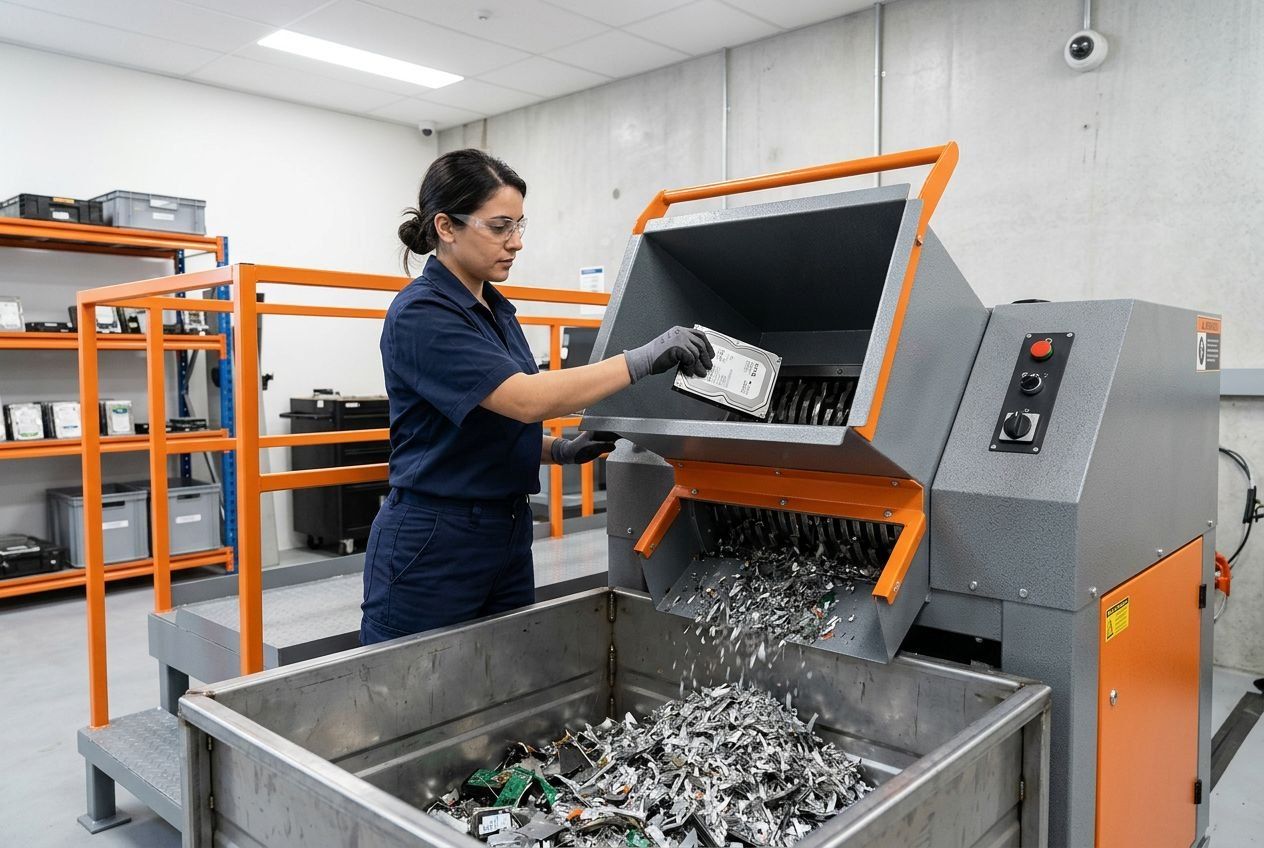
For Tempe equipment, discuss the information stored on drives as part of the retirement request. Available methods include software-based overwriting, degaussing and physical destruction, selected to suit the device and requested outcome. Degaussing is not appropriate for every kind of storage media, and physical destruction means the media is not being preserved for reuse.
This distinction helps your business decide whether the priority is preparing eligible equipment for another use or destroying its data-bearing media. The requested method and scope should be clear before collection, so the hardware’s intended disposition and the treatment of its information do not get conflated.
How a request works
From your first message to a finished retirement
- 01
Describe the equipment
Send the device types, rough quantities, and location through the form or by phone.
- 02
Confirm scope and charges
Availability, the accepted load, and any applicable charges are agreed before anything is scheduled.
- 03
Pickup or drop-off
Businesses get a collection planned around access and loading. Residents get current drop-off instructions.
- 04
Data and records
Data treatment and documentation follow the outcome you requested for each device.
Plan collection around building access
Move schedules can involve freight elevators, loading rules or limits on when equipment may pass through shared areas. Business collection can be arranged with those access conditions in mind, alongside the equipment volume and location. You can discuss collection planned around operating hours when requesting removal for a Tempe business.
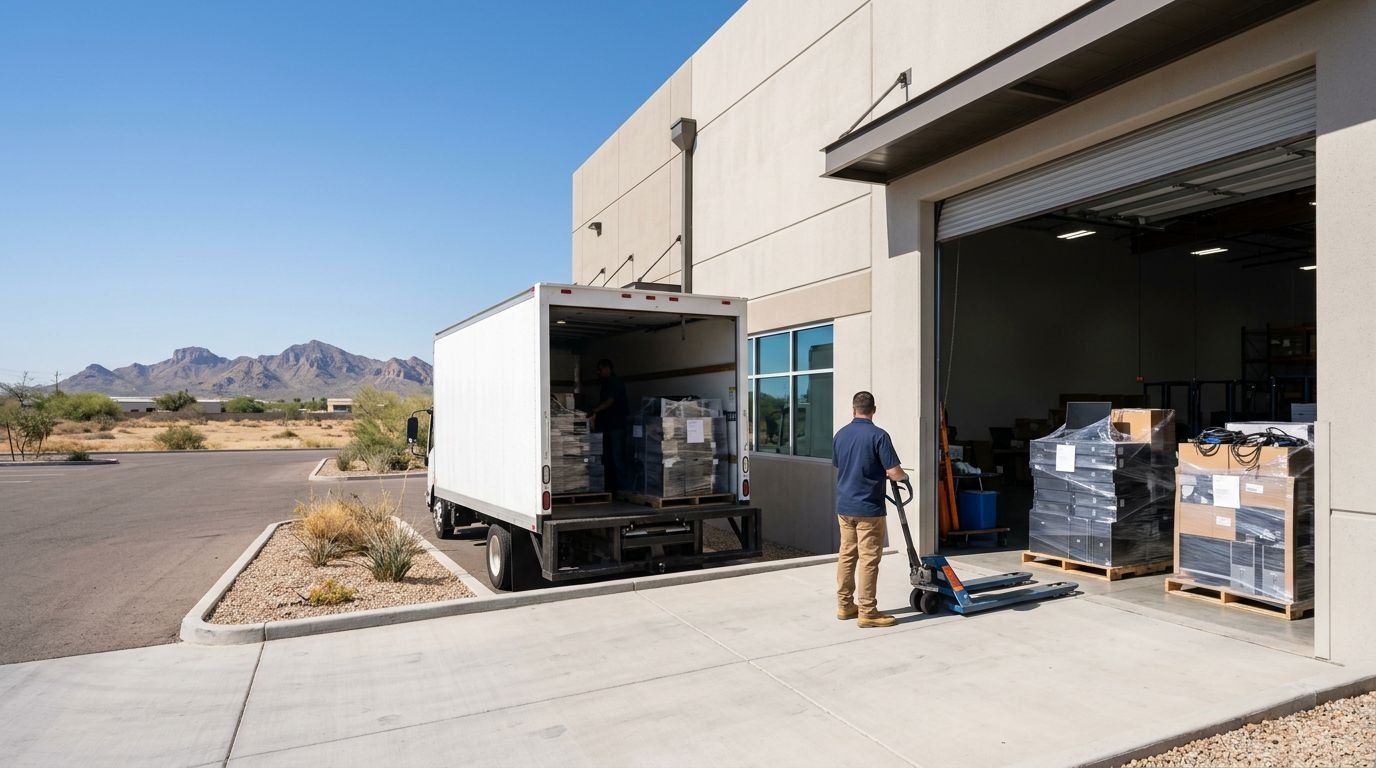
For larger projects, available logistics options include liftgate, dock-high and box trucks. The suitable arrangement depends on the load and site; not every collection needs the same vehicle or access setup. Sharing relevant building requirements helps match the collection plan to the property and reduces the chance that retired electronics interfere with move-out activity.
This is an electronics collection, not general office hauling. Keeping the load focused on eligible devices also makes it easier to identify items that may require separate review, including larger printers or copiers whose fees can vary by size.
Connect assets with disposition records
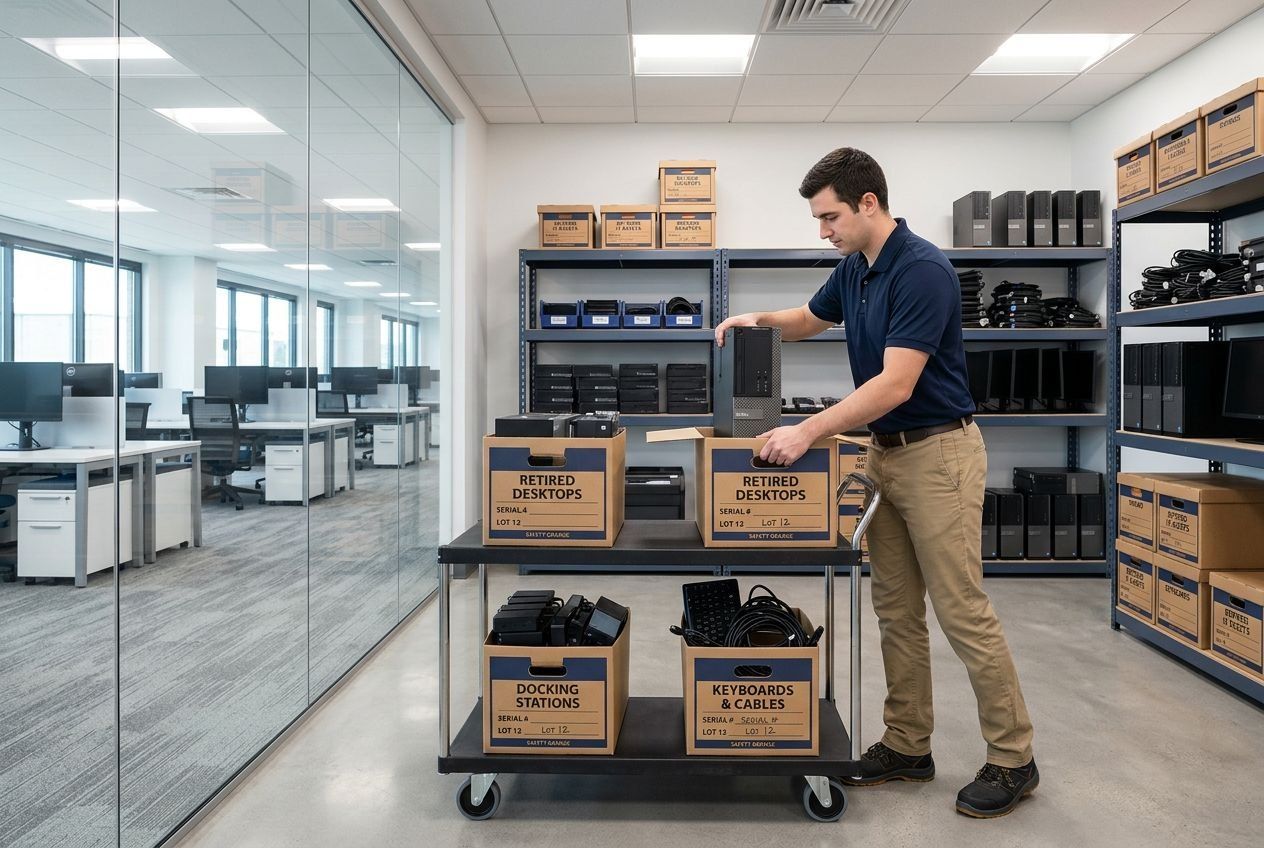
Some move-outs involve a few workstations; others include servers and equipment tracked in an internal asset register. IT asset disposition can extend beyond collection to inventory review, data processing and final reporting. Through asset tracking and disposition records, your organization can address equipment assessment and documentation as part of a broader retirement project.
ITAD outputs can include serial-level reconciliation, a settlement-ready report and certificates of destruction for data-bearing devices. The records depend on the services requested, so they should be aligned with the assets included in the project. Assessment may also identify equipment with refurbishment or remarketing potential after appropriate data handling.
Reuse and any recovery proceeds depend on the condition and eligibility of the assets. A move-out plan can therefore separate equipment being assessed for another use from items designated for recycling or media destruction, while keeping the intended disposition visible in the project records.
Include other properties in the plan
A lease-end project may involve equipment at more than one business address. Keep each property’s access details and approved equipment clear so collection planning reflects the requirements at each site. If your organization has another location in Gilbert, we can discuss equipment at a second property as a separate address-specific request. For a project that also includes Chandler, collection for another site can likewise be discussed separately.
Residents can request current drop-off instructions for eligible electronics. Business collection and residential drop-off are different services, so choose the option that fits the equipment and its ownership; employer-owned equipment from a home office should be discussed as a business asset.
Service request
Request Tempe pickup
Yes, you can request pickup before an office move. Call (623) 500-3674 to discuss your Tempe equipment, move timing, building access and any data treatment or disposition records you need.
Tell us about the equipment
Pickup availability, scope, and scheduling are confirmed before a collection is booked.