New River, Arizona
Electronics & Computer Recycling in New River
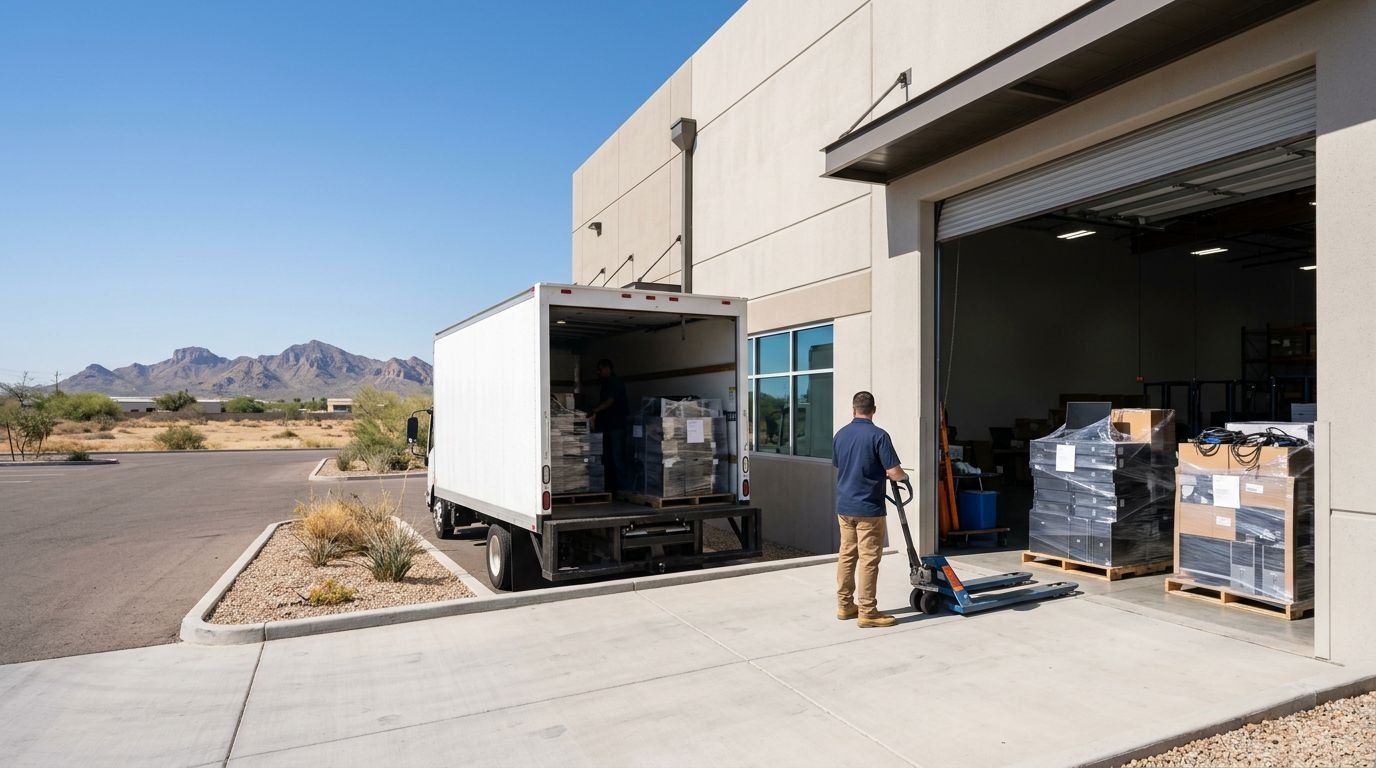
Old computers and office electronics can take up valuable space long after they stop serving a purpose. We arrange recycling and retirement services for New River homes and businesses, with options for equipment collection, data handling and documented disposition. For a business, that can mean retiring computers and related equipment in a defined project, rather than separating removal from the decisions about information and reuse.
- Business pickup
- Residential drop-off information
- Data destruction and ITAD
- Availability confirmed by address
Business pickup
Scheduled collection for offices, storage areas, and recurring equipment retirement.
IT asset disposition
Inventory review, data handling, reuse assessment, and final records.
Secure data destruction
Sanitization or physical destruction matched to each type of media.
Residential drop-off
Free drop-off for eligible personal electronics, with no appointment needed.
Plan around the property and equipment
New River properties can have different access and loading arrangements, so collection planning starts with the actual address and the equipment involved. Pickup availability is confirmed for your New River address before scheduling. The agreed scope can account for the number and type of items, how they are stored and the route from the equipment area to the collection point.
At a home, the need may be a few personal devices; at a business, it may include computers from an office or equipment closet. Residential customers can request current drop-off instructions for eligible electronics. Business collection is arranged around the project’s volume and site access, with any applicable charges discussed as part of the scope. This keeps the service matched to the items being retired rather than treating every property as the same kind of pickup.
Equipment checklist
What goes in an electronics load
May carry size-based fees
- Printers
- Scanners
- Fax machines
- Stand-alone copiers
Keep out of the load
- General trash
- Household appliances
- Chemicals
- Hazardous or contaminated medical equipment
- Automotive batteries
Ask first
Computer monitor acceptance does not cover televisions or CRT displays by default. List them in your request.
Identify eligible electronics before removal
Our Electronics Recycling Phoenix team helps arrange service for computers and related equipment, including desktops, laptops, tablets, servers, phones, peripherals and flat-screen computer monitors. Identifying the load matters because an electronics collection is not the same as general waste removal. Televisions, household appliances and unrelated rubbish should not be added as if they were standard computer equipment.
Printers, scanners, fax machines and stand-alone copiers may have fees based on size. For offices, sorting those items from the computer equipment can make the project scope clearer and help avoid surprises when the load is reviewed. We can also discuss equipment stored in more than one room or area, so the collection plan reflects what is actually being retired. Residents can ask for drop-off instructions when that option fits their needs.
Business collection with clear project scope
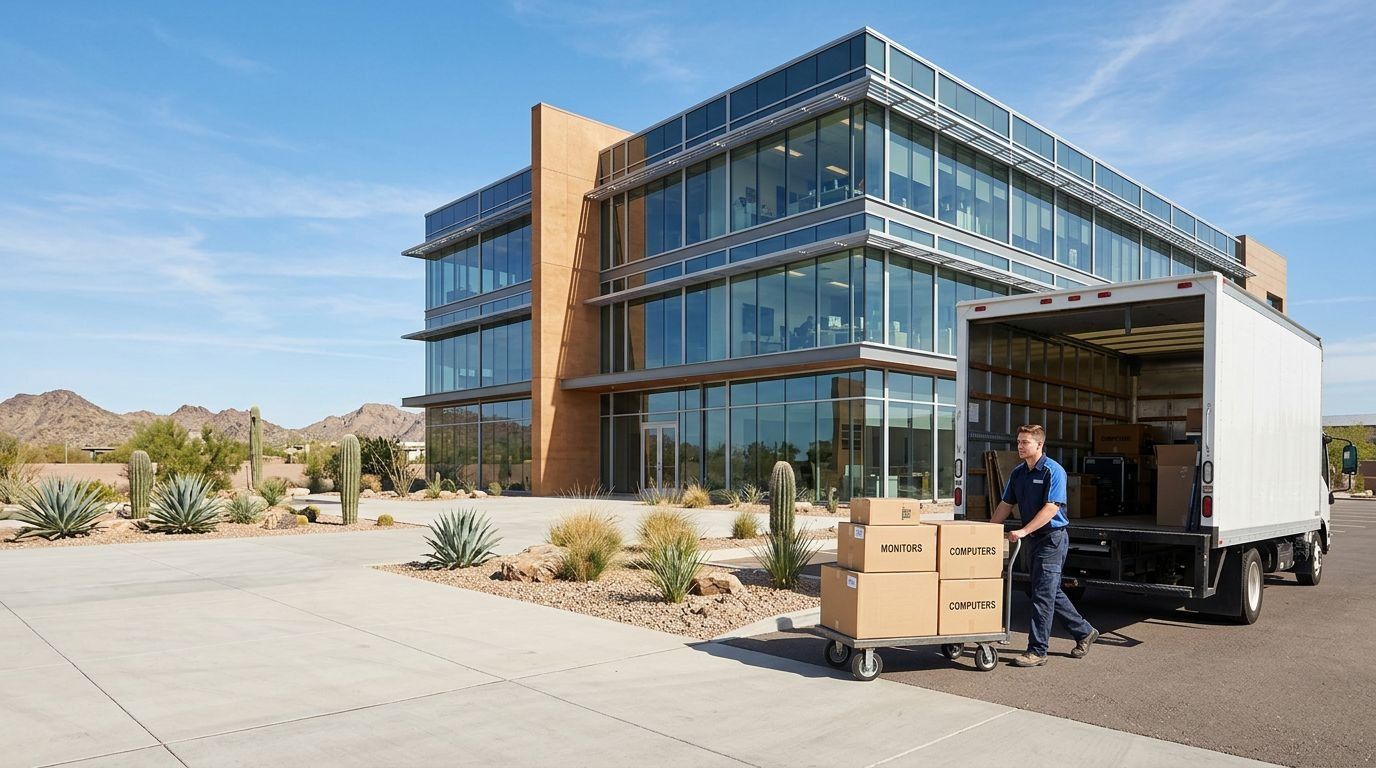
Commercial collection can help clear space without another trip, supporting a one-time office or equipment-closet cleanout as well as recurring programs. The service is planned around equipment volume and property access, and charges depend on the project. A business can include computers, servers, peripherals and eligible computer monitors in its request, while oversized or differently classified items may need separate consideration.
Service fulfillment is provided by eWasteGo. Its business services include scheduled pickups, inventory review, QR asset labels, GPS-tracked transportation and final reporting. Those tools can help connect the items leaving a site with the disposition information the organization needs. The specific collection and reporting scope is set for the project, rather than treating every business load as identical.
For an organization handling equipment at multiple properties, each address can have its own access and load requirements. This helps keep removal practical for the team on site and gives the organization a clearer view of which assets belong to each collection.
How a request works
From your first message to a finished retirement
- 01
Describe the equipment
Send the device types, rough quantities, and location through the form or by phone.
- 02
Confirm scope and charges
Availability, the accepted load, and any applicable charges are agreed before anything is scheduled.
- 03
Pickup or drop-off
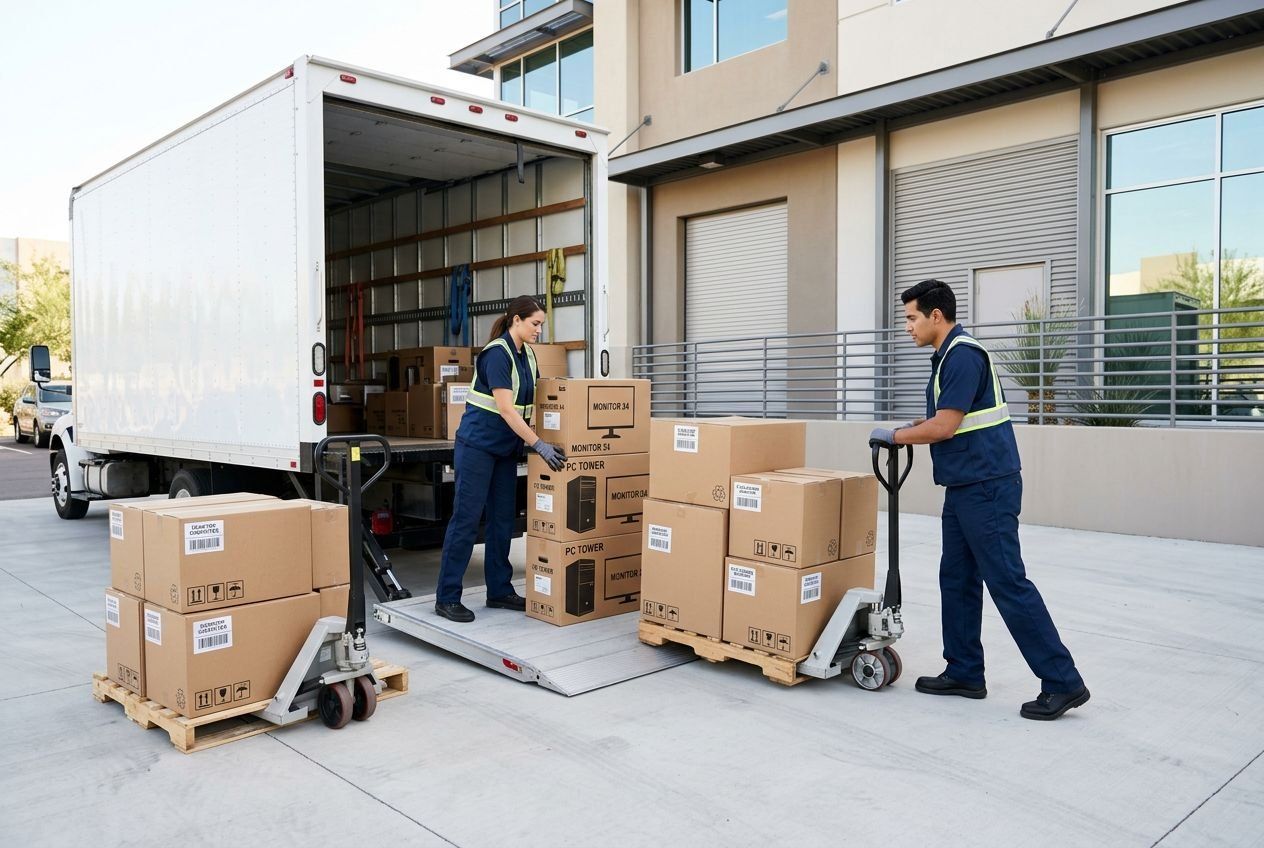
Businesses get a collection planned around access and loading. Residents get current drop-off instructions.
- 04
Data and records
Data treatment and documentation follow the outcome you requested for each device.
Choose data handling for the device’s next step
Removing a computer and addressing the information stored on it are separate parts of retirement. The right data treatment depends on the media and whether equipment may be reused or is intended for destruction. We can include that decision in the service scope so devices do not leave with data handling left unresolved.
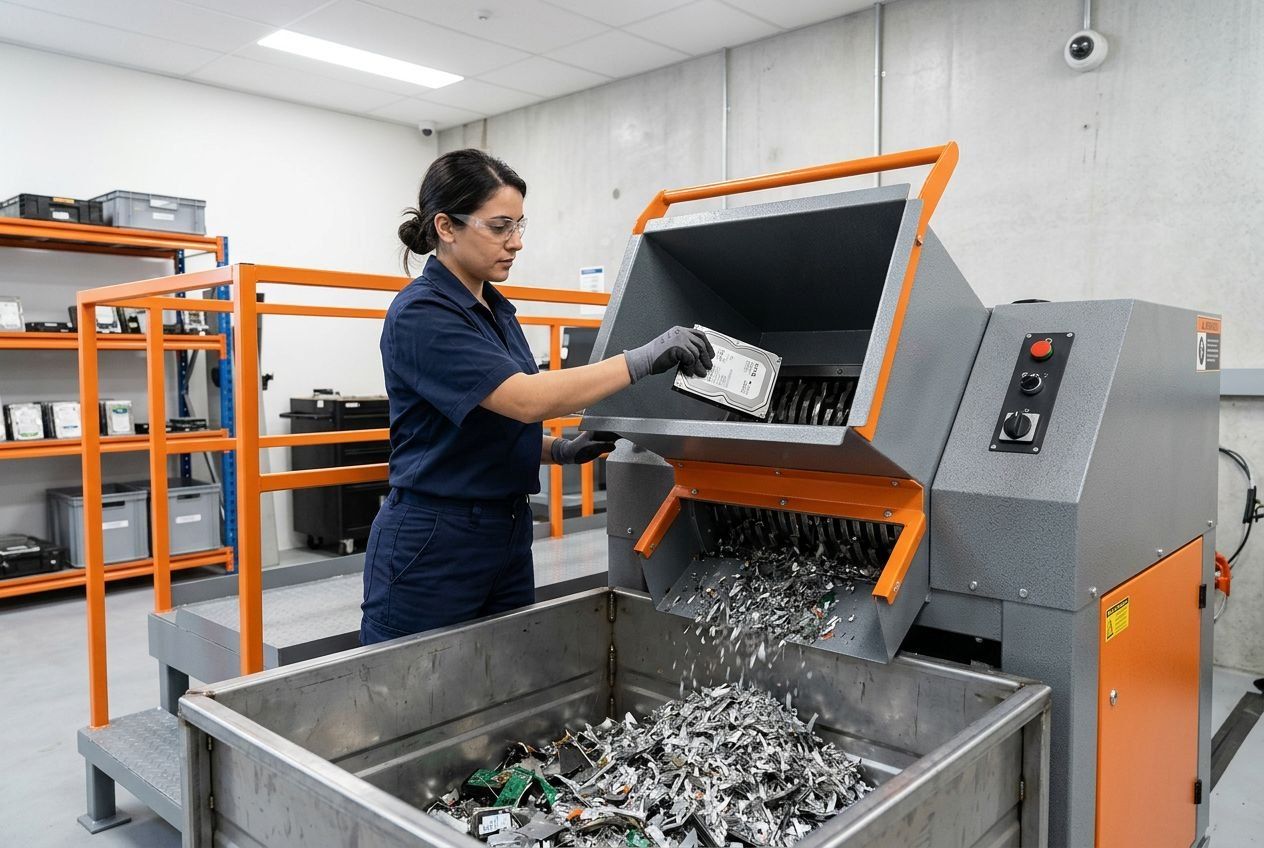
Available methods include software-based overwriting, degaussing where appropriate, and physical destruction. The method is selected for the device and requested outcome; degaussing is not suitable for every type of media. On-site or facility-based service can be arranged according to the project. For businesses, records of the data service can be part of the asset disposition process. Secure data services can be planned before devices leave your control, helping your team align the handoff with its requirements.
Keep reuse and disposition in view
Some retired equipment may be suitable for refurbishment or remarketing after assessment and appropriate data handling. Other items may be obsolete or unsuitable for another working life and need a different disposition. IT asset disposition can bring inventory review and these decisions into one process, instead of treating every device as either reusable or waste before it has been assessed.
Our ITAD service can assess assets that may have another use and document the requested disposition. Inventory review, QR asset labels and final reporting can help reconcile equipment with an organization’s records. Reuse eligibility and any recovery value depend on the individual assets; no credit or resale value is assumed in advance. Keeping reusable equipment distinct from devices approved for destruction also helps preserve the outcomes your organization authorized.
Include multiple addresses without mixing their needs
A project involving more than one property can keep each location’s equipment and access details distinct. If your organization also has a property in Paradise Valley, we can discuss another address in the project as a separate collection request. The New River scope does not automatically define the arrangements for that property.
The same approach applies if Anthem is part of the organization’s equipment retirement. We can review an additional property separately and keep its collection needs tied to its own address. For a multi-site project, that separation helps avoid combining equipment counts, access requirements or disposition records across locations. Each request can still be considered as part of a wider retirement plan.
Call (623) 500-3674 to discuss electronics and computer recycling for your New River property. We’ll review the equipment and address, then confirm the appropriate service and next steps.
Tell us about the equipment
Pickup availability, scope, and scheduling are confirmed before a collection is booked.